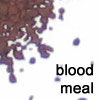
protein

protein

protein
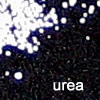
protein*


energy

energy
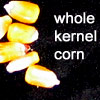
energy
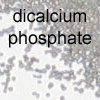
mineral

mineral

mineral

|
Now that you have learned about the nutrient categories of feed, it is time to take a look at some specific feeds and feed ingredients. Study the information in the table below. Pay particular attention to the nutrient category for each feed. Learn to recognize each feed by its characteristics (color, texture, other characteristics). On the following pages you can test your knowledge.
|
| Name of Feed | Nutrient Category | Color | Texture | Other Characteristics |
|
protein
|
dark brown to dull red | granular to powdery | by-products from meat industry; fatal if fed to non-ruminants - DO NOT FEED TO POULTRY |
|
protein
|
yellow | granular to powdery | by-products from removing starch, oil, and germ from corn |
|
protein
|
light brown | granular to flaky | by-product after removing oil from oilseeds; 44% crude protein (CP) soybean meal = soybean meal plus soybean hulls; 48% CP = soybean meal without hulls. |
|
protein*
|
white | granular | small bead-like particles; *used as a source of non-protein nitrogen for ruminant animals; fatal if fed to non-ruminants - DO NOT FEED TO POULTRY |
|
energy | yellow/white | rough | whole corn kernels that have been broken; starch may stick to fingers |
|
energy
|
brown with white spots | flaky | by-product from removing starch from wheat; looks like crumbled bran cereal |
|
energy
|
brown | smooth with round edges | look for crease along the middle of one side |
|
energy
|
yellow | smooth | most common cereal grain in Ohio |
|
mineral
|
gray | granular | looks like small rocks of uniform sizes |
|
mineral
|
light gray | granular | looks like small rocks of various sizes |
|
mineral
|
white | granular, grainy | looks like tiny, uniform crystals |
|
light brown with yellow spots | smooth | tubular shaped particles that may be of varying lengths because of breakage of the pellets |
|
|


